monthly budget planner: How to Build a Simple Monthly Budget
Compare expected income with planned spending and savings.
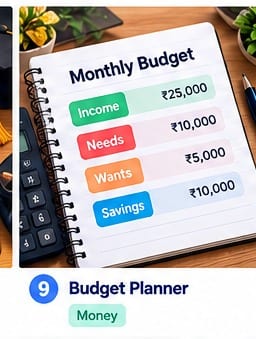
A budget helps compare the money you expect to receive with the money you plan to spend. It works best when the numbers are realistic.
In this guide, monthly budget planner means focusing on the details that matter, checking reliable sources and choosing a clear next step.
Step-by-Step Guide to monthly budget planner
1. Estimate monthly income
Include reliable income and keep uncertain income separate.
What monthly budget planner helps you do
monthly budget planner works best when you treat it as a structured process rather than a one-click answer. Start by identifying the actual task, the information you already have and the decision you need to make. For Budget Planner, the first useful result should help you understand the situation and decide what to check next. Keep important facts, dates, amounts and names close to their original source. If a detail is missing, mark it as unknown instead of filling the gap with a guess.
2. List essential expenses
Include housing, food, travel, bills and other necessary costs.
A practical monthly budget planner workflow
A practical monthly budget planner workflow is to move from the main question to supporting details, then review the result before using it. Include housing, food, travel, bills and other necessary costs. Track shopping, subscriptions and other optional costs. Break a complicated task into smaller checks, and record the outcome in a simple list. This makes it easier to spot missing information, compare alternatives and explain your next step to another person. A clear checklist is usually more useful than a long answer that does not tell you what to do.
3. Add flexible spending
Track shopping, subscriptions and other optional costs.
4. Set a savings target
Choose an amount that fits your income and obligations.
Example: using monthly budget planner in a real situation
Consider this example: If monthly take-home income is ₹20,000 and planned expenses are ₹15,500, the planned remainder is ₹4,500 before unlisted costs. For monthly budget planner, the example is a starting point, not a universal rule. Replace sample details with the facts from your own situation and confirm requirements that may vary by institution, service, location or date. Write down what is confirmed, what still needs checking and which source can settle the question. This makes the result easier to act on and helps prevent a plausible-looking explanation from being mistaken for an official decision.
5. Review actual spending
Compare your plan with real expenses and adjust next month.
Common mistakes to avoid with monthly budget planner
Before relying on monthly budget planner, check the result for missing context, outdated information and assumptions. Choose an amount that fits your income and obligations. Compare your plan with real expenses and adjust next month. Avoid sharing unnecessary personal or confidential information, and use official or qualified help when the decision has legal, financial, medical, safety or employment consequences. Keep a copy of the source and your final checklist where appropriate. The aim is a clearer, safer decision—not replacing professional judgement or the original evidence.
Quick checklist
- Estimate monthly income
- List essential expenses
- Add flexible spending
- Set a savings target
- Review actual spending
Example
If monthly take-home income is ₹20,000 and planned expenses are ₹15,500, the planned remainder is ₹4,500 before unlisted costs.
Frequently asked questions about monthly budget planner
Should a budget be exact?
It should be realistic, but allow room for unexpected costs.
What if expenses exceed income?
Review flexible costs and seek suitable financial guidance if needed.
What is a good way to use monthly budget planner?
Start with a clear goal, use reliable information and review the result against the requirements that apply to your situation. For important decisions, confirm the details with the relevant official source or qualified professional.
Can a monthly budget planner tool make mistakes?
Yes. Automated tools can miss context, misread input or produce incomplete suggestions. Check important names, dates, calculations and instructions yourself before relying on the result.
Related practical guides

How to Split Shared Expenses Fairly
Agree on shared costs and keep track of who paid.

How to Set a Savings Goal You Can Maintain
Turn a savings target into a monthly amount that fits your budget.
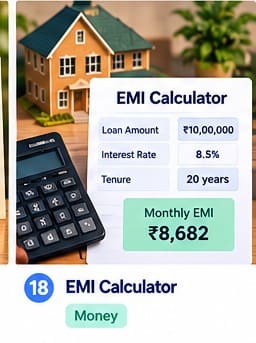
How to Understand an EMI Before Taking a Loan
Compare monthly payments with the total cost of borrowing.