cover letter for job: How to Write a Cover Letter for a…
Connect your relevant experience to the role with specific, truthful examples.
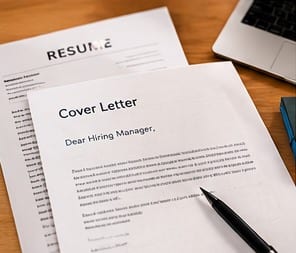
A cover letter explains why you are interested in a role and how your real skills relate to the employer's needs. A writing tool can help organise the draft, but it should never invent experience, qualifications or achievements.
In this guide, cover letter for job means focusing on the details that matter, checking reliable sources and choosing a clear next step.
Step-by-Step Guide to cover letter for job
1. Study the job description
Identify the role's main responsibilities and the skills the employer emphasises.
What cover letter for job helps you do
cover letter for job works best when you treat it as a structured process rather than a one-click answer. Start by identifying the actual task, the information you already have and the decision you need to make. For Cover Letter Writer, the first useful result should help you understand the situation and decide what to check next. Keep important facts, dates, amounts and names close to their original source. If a detail is missing, mark it as unknown instead of filling the gap with a guess.
2. Open with a clear purpose
Name the position and briefly explain your interest.
A practical cover letter for job workflow
A practical cover letter for job workflow is to move from the main question to supporting details, then review the result before using it. Name the position and briefly explain your interest. Use one or two genuine examples from work, study, volunteering or projects. Break a complicated task into smaller checks, and record the outcome in a simple list. This makes it easier to spot missing information, compare alternatives and explain your next step to another person. A clear checklist is usually more useful than a long answer that does not tell you what to do.
3. Choose relevant evidence
Use one or two genuine examples from work, study, volunteering or projects.
4. Connect your strengths to the role
Explain how the examples demonstrate relevant skills rather than repeating the resume.
Example: using cover letter for job in a real situation
Consider this example: A student applying for an entry-level software role might describe a real coursework project, the technologies used and the specific contribution they made. For cover letter for job, the example is a starting point, not a universal rule. Replace sample details with the facts from your own situation and confirm requirements that may vary by institution, service, location or date. Write down what is confirmed, what still needs checking and which source can settle the question. This makes the result easier to act on and helps prevent a plausible-looking explanation from being mistaken for an official decision.
5. Personalise and proofread
Check the organisation's name, role title, contact details and application instructions.
Common mistakes to avoid with cover letter for job
Before relying on cover letter for job, check the result for missing context, outdated information and assumptions. Explain how the examples demonstrate relevant skills rather than repeating the resume. Check the organisation's name, role title, contact details and application instructions. Avoid sharing unnecessary personal or confidential information, and use official or qualified help when the decision has legal, financial, medical, safety or employment consequences. Keep a copy of the source and your final checklist where appropriate. The aim is a clearer, safer decision—not replacing professional judgement or the original evidence.
Quick checklist
- Study the job description
- Open with a clear purpose
- Choose relevant evidence
- Connect your strengths to the role
- Personalise and proofread
Example
A student applying for an entry-level software role might describe a real coursework project, the technologies used and the specific contribution they made.
Frequently asked questions about cover letter for job
Do I need a cover letter for every job?
Follow the vacancy instructions. If one is requested, tailor it to the specific role.
Should I include skills I do not have?
No. Keep every qualification and example accurate.
What is a good way to use cover letter for job?
Start with a clear goal, use reliable information and review the result against the requirements that apply to your situation. For important decisions, confirm the details with the relevant official source or qualified professional.
Can a cover letter for job tool make mistakes?
Yes. Automated tools can miss context, misread input or produce incomplete suggestions. Check important names, dates, calculations and instructions yourself before relying on the result.
Related practical guides
How to Search for Jobs and Check a Vacancy
Check the employer, eligibility and application route before applying.
How to Improve Your Resume for a Job
Make your skills and experience easier for recruiters to scan.

How to Choose a Career and Plan Your Next Steps
Break a long-term career goal into smaller actions.