professional email writing: How to Write a Professional…
Structure an email with a useful subject, clear request and appropriate tone.

A professional email helps the reader understand why you are writing and what action, if any, you need. A drafting tool can help with structure, but you should verify names, details and tone before sending.
In this guide, professional email writing means focusing on the details that matter, checking reliable sources and choosing a clear next step.
Step-by-Step Guide to professional email writing
1. Write a specific subject
Summarise the email's purpose so the recipient can recognise it quickly.
What professional email writing helps you do
professional email writing works best when you treat it as a structured process rather than a one-click answer. Start by identifying the actual task, the information you already have and the decision you need to make. For Email Writer, the first useful result should help you understand the situation and decide what to check next. Keep important facts, dates, amounts and names close to their original source. If a detail is missing, mark it as unknown instead of filling the gap with a guess.
2. Use an appropriate greeting
Choose a greeting that fits your relationship with the recipient and the situation.
A practical professional email writing workflow
A practical professional email writing workflow is to move from the main question to supporting details, then review the result before using it. Choose a greeting that fits your relationship with the recipient and the situation. Explain why you are writing in the opening lines. Break a complicated task into smaller checks, and record the outcome in a simple list. This makes it easier to spot missing information, compare alternatives and explain your next step to another person. A clear checklist is usually more useful than a long answer that does not tell you what to do.
3. State the purpose early
Explain why you are writing in the opening lines.
4. Make the request clear
Include relevant context, deadlines and next steps without unnecessary detail.
Example: using professional email writing in a real situation
Consider this example: For a meeting request, state the topic, suggest a suitable time or ask for availability, and explain what preparation is needed. For professional email writing, the example is a starting point, not a universal rule. Replace sample details with the facts from your own situation and confirm requirements that may vary by institution, service, location or date. Write down what is confirmed, what still needs checking and which source can settle the question. This makes the result easier to act on and helps prevent a plausible-looking explanation from being mistaken for an official decision.
5. Review before sending
Check the recipient, attachments, spelling, dates and any sensitive information.
Common mistakes to avoid with professional email writing
Before relying on professional email writing, check the result for missing context, outdated information and assumptions. Include relevant context, deadlines and next steps without unnecessary detail. Check the recipient, attachments, spelling, dates and any sensitive information. Avoid sharing unnecessary personal or confidential information, and use official or qualified help when the decision has legal, financial, medical, safety or employment consequences. Keep a copy of the source and your final checklist where appropriate. The aim is a clearer, safer decision—not replacing professional judgement or the original evidence.
Quick checklist
- Write a specific subject
- Use an appropriate greeting
- State the purpose early
- Make the request clear
- Review before sending
Example
For a meeting request, state the topic, suggest a suitable time or ask for availability, and explain what preparation is needed.
Frequently asked questions about professional email writing
Should every email be formal?
No. Match the tone to the recipient, relationship and purpose.
Can I send an AI-written email without checking it?
Review all details and make sure the message accurately represents you before sending.
What is a good way to use professional email writing?
Start with a clear goal, use reliable information and review the result against the requirements that apply to your situation. For important decisions, confirm the details with the relevant official source or qualified professional.
Can a professional email writing tool make mistakes?
Yes. Automated tools can miss context, misread input or produce incomplete suggestions. Check important names, dates, calculations and instructions yourself before relying on the result.
Related practical guides
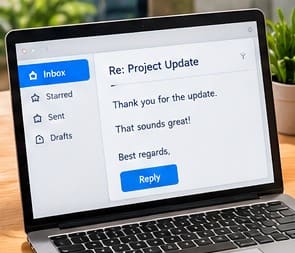
How to Write a Clear Reply to an Email
Respond to the sender's main points and make the next step explicit.

How to AI Notice Analyze: Understand Any Notice Before You Act
Learn how to AI Notice Analyze complex circulars, legal letters, and college notices. Extract key dates, deadlines, and actions in seconds.

How to Check a Document for Visible Issues
Learn what to review and how to confirm a document with its issuer.